
By Reporter
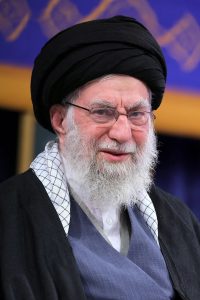
TEHRAN / DUBAI — Iran’s Supreme Leader, Ali Khamenei, has been killed in a large-scale joint military operation by the United States and Israel, Iranian state media confirmed early Sunday, in a development that represents one of the most significant geopolitical shifts in the Middle East in decades.
The 86-year-old cleric, who led the Islamic Republic since 1989 and wielded ultimate control over the country’s political, military and religious institutions, was killed in precision airstrikes that targeted his compound in Tehran. The strikes were part of a broader campaign against Iranian military infrastructure, including sites linked to the Islamic Revolutionary Guard Corps (IRGC), air defenses and ballistic missile facilities.

Operation and Immediate Aftermath
The joint operation, described by U.S. and Israeli officials as a decisive blow to Iran’s leadership and military capability, involved coordinated air and missile strikes across strategic targets. President Donald Trump, in a social media post, described Khamenei’s death as a critical step toward eliminating a long-standing threat posed by Iran’s leadership.
Within hours of the strikes, Iran responded with a volley of missiles and drone attacks targeting Israeli territory and U.S. military bases in the region, signaling a rapid escalation of hostilities. Several countries in the Gulf and beyond activated air defenses as tensions soared.


National and Regional Impact
Iran’s state broadcaster announced a period of national mourning, declaring 40 days of official remembrance for the supreme leader. State media also reported the deaths of senior IRGC commanders and close aides in the operation.
The deaths mark a pivotal moment for Iran’s internal political structure. With no publicly designated successor, the responsibility for selecting a new supreme leader falls to the country’s Assembly of Experts. Analysts say the transition could heighten power struggles within Tehran’s political and military elite, particularly between hard-line factions and more moderate elements.
International Response and Risks
World leaders have reacted with a mix of calls for de-escalation and concern about the risk of a wider conflict. The United Nations Security Council convened an emergency session as diplomats sought to contain the crisis and prevent further regional destabilization.
Global markets experienced immediate volatility, particularly in energy and risk-sensitive sectors, as the unfolding conflict threatened key shipping lanes and supply routes in the Persian Gulf.
Looking Ahead

The strikes against Iran have dramatically altered the regional security landscape. With the death of Ayatollah Khamenei confirmed by Iranian authorities, the Middle East faces an uncertain future, with the possibility of intensified military engagements, shifting alliances, and renewed diplomatic efforts to avert an even larger confrontation.