

Stronger deposits and lending mirror wider gains across banking sector
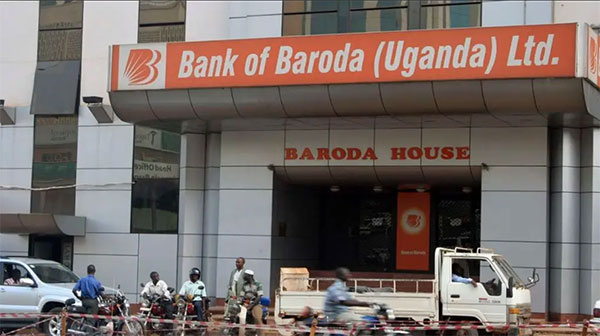
Kampala, Uganda | THE INDEPENDENT | Bank of Baroda Uganda reported a 17% increase in annual profit, as steady loan growth and rising customer deposits underscored momentum across Uganda’s banking industry.
Profit after tax rose to Shs 156.8 billion in 2025, up from Shs 133.95 billion a year earlier, while total assets climbed 13.5% to Shs 3.49trillion. The lender’s balance sheet expansion was supported by an 11.5% increase in net loans to Shs 1.6 trillion and a 14.3% rise in customer deposits to Shs 2.5 trillion.
The results reflect a year in which banks benefited from stable macroeconomic conditions, easing inflation and improved customer activity, even as competition and operating costs continued to rise.
The lender’s Managing Director, Shashi Dhar, said the performance highlighted the bank’s disciplined strategy and focus on customers.
“The financial performance for 2025 reflects the Bank s resilience and disciplined execution of its strategic priorities, supported by a customer-centric approach that has driven growth across our core business segments,” he said.
The bank said it continued to strengthen its core operations while investing in digital platforms to deliver faster and more efficient services. Risk management and regulatory compliance also remained central to its strategy, helping to support sustainable growth.
Sector leaders extend gains
The performance comes as larger peers also reported strong results, pointing to a sector-wide upswing. Stanbic Bank Uganda Limited, the country’s largest lender, posted a 20.4% increase in profit after tax to Shs 586.2 billion for 2025, driven by robust loan growth and a sharp rise in trading income.
Stanbic’s loan book expanded to Shs 5.1 trillion, while income from trading and marketable securities surged, highlighting the growing importance of treasury operations alongside traditional lending. Fees and commissions also rose, reflecting increased transaction volumes and deeper customer engagement.
However, higher revenues were accompanied by rising costs, particularly interest expenses on deposits as competition for funding intensified. Even so, the bank maintained efficiency, with a stable cost-to-income ratio and improved returns on equity.
Across the sector, banks are navigating a balance between expansion and cost pressures. While credit growth and deposit mobilisation remain strong, lenders face increasing expenses linked to technology investments, regulatory requirements and competition for customers.
A relatively stable currency environment has supported macroeconomic stability but also reduced foreign-exchange trading gains for some institutions, prompting a shift towards diversified income streams.
For Bank of Baroda, the strategy has centred on steady balance sheet growth and operational efficiency, positioning it to benefit from broader industry trends while maintaining a conservative risk profile.
Sustainability and strategy
Beyond financial performance, the bank said it is advancing its sustainability agenda, with initiatives aimed at reducing environmental impact and supporting communities. These include promoting digital banking to cut paper usage, distributing solar lamps in underserved areas, and reducing single-use plastics across its operations.
Looking ahead to 2026, the lender plans to deepen its investment in technology, improve customer experience and strengthen staff capabilities, as competition in the sector intensifies.